
Best NextJs Admin for Modern Web Apps Templates for 2026
Power your SaaS dashboard with Next.js admin templates built for speed, SEO, and scale. Every template ships with server-side rendering, API routes, and pre-built auth flows, so you can focus on product logic instead of setup. Includes 90+ pages, 100+ components, TypeScript, and Tailwind support out of the box.
4 Templates4 Best NextJs Admin for Modern Web Apps Templates for 2026
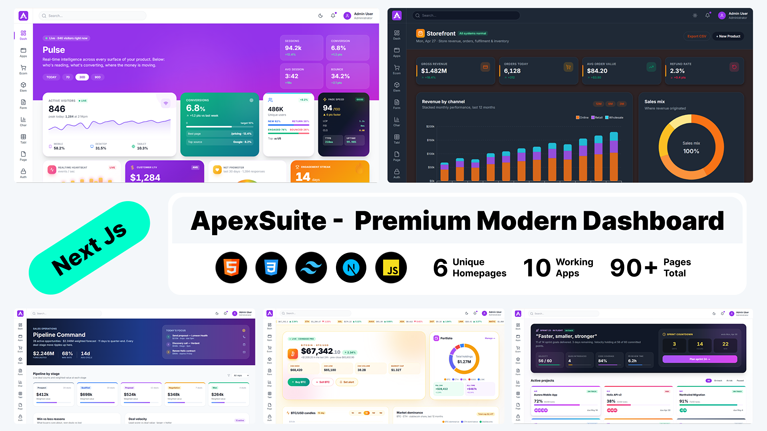
ApexSuite – Premium Next.js 14 Admin Dashboard Template
Explore Top Selling Templates by Framework
New Release Admin Templates
Next.js Templates That Power Serious Web Applications
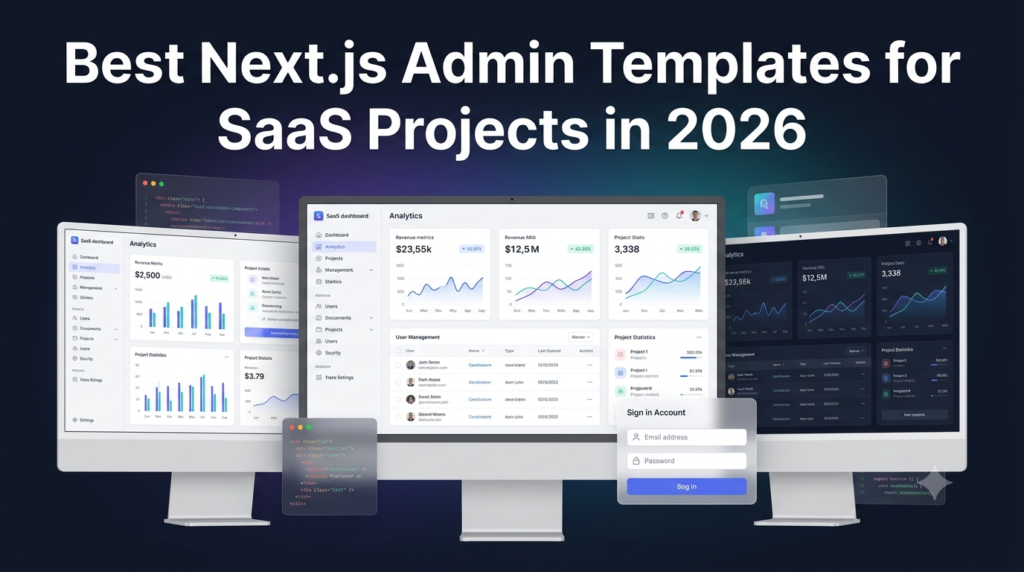
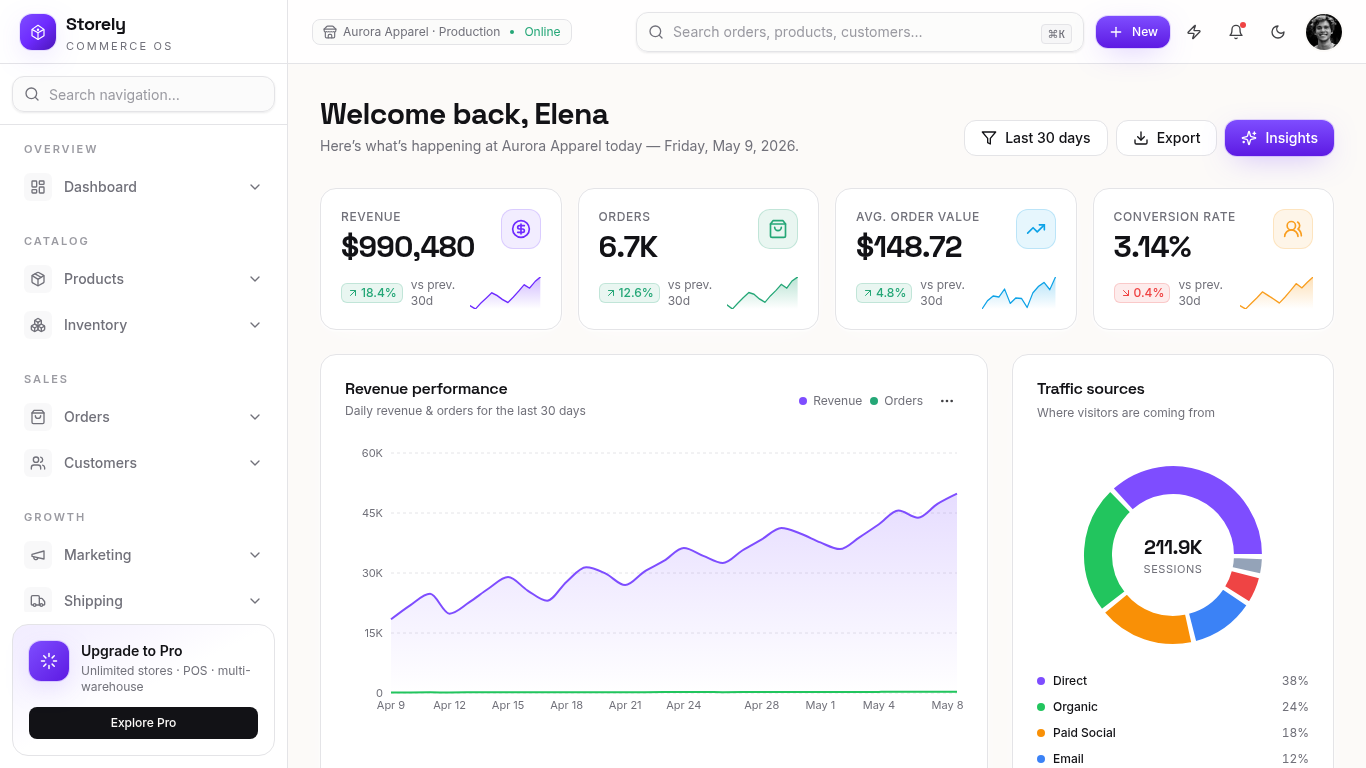
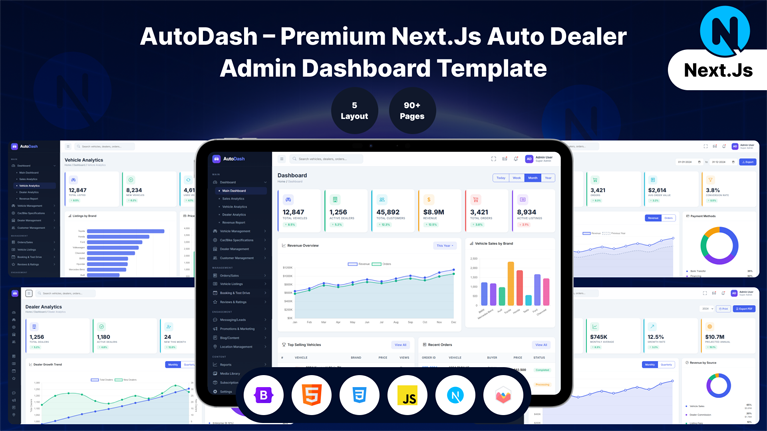
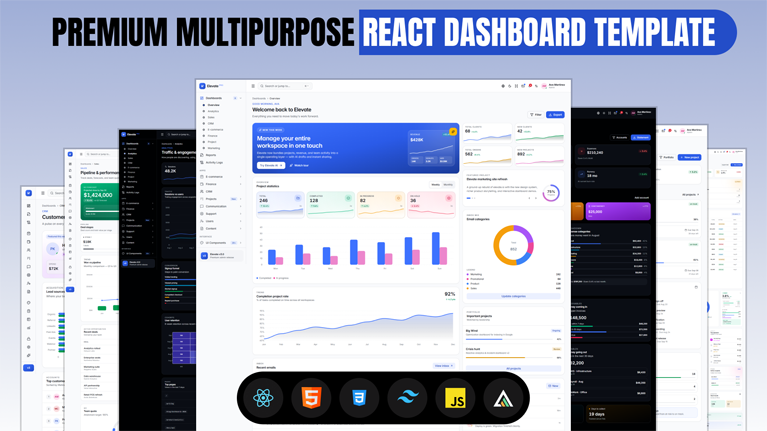
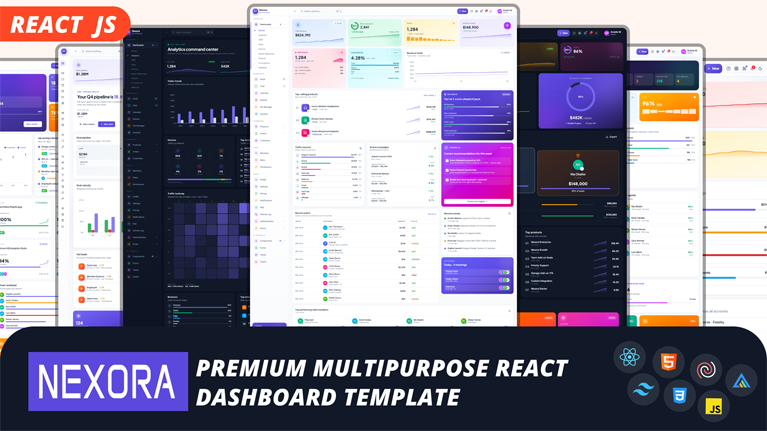
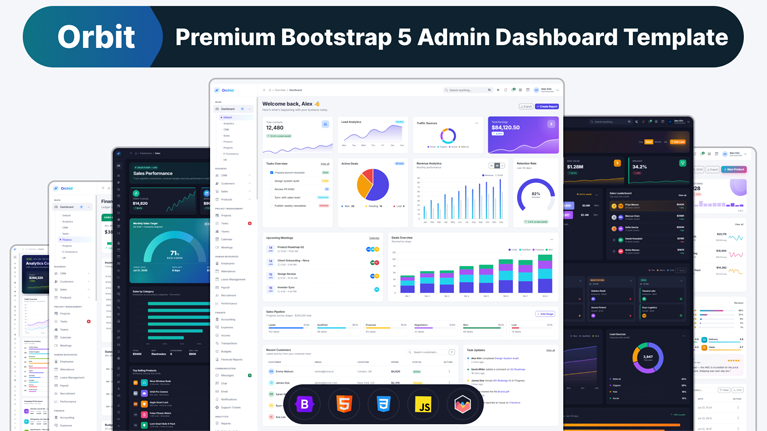
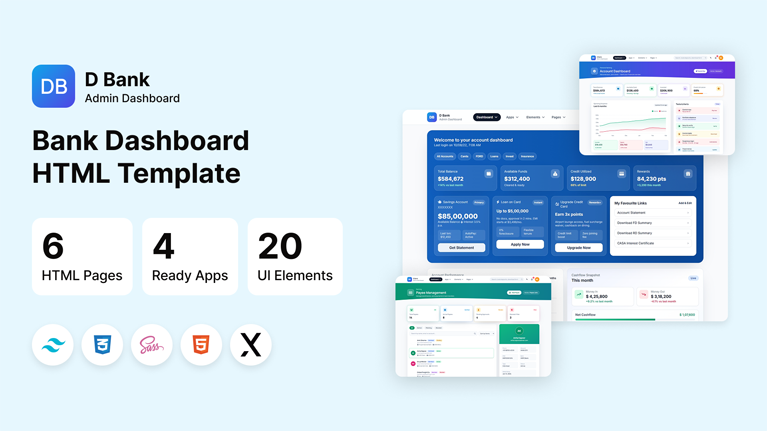
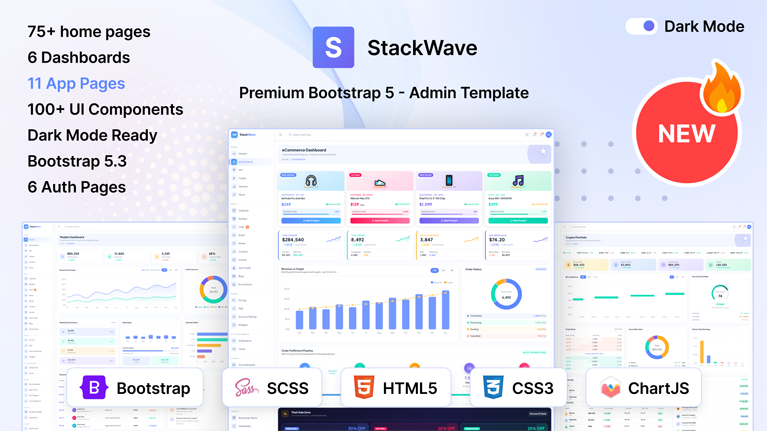
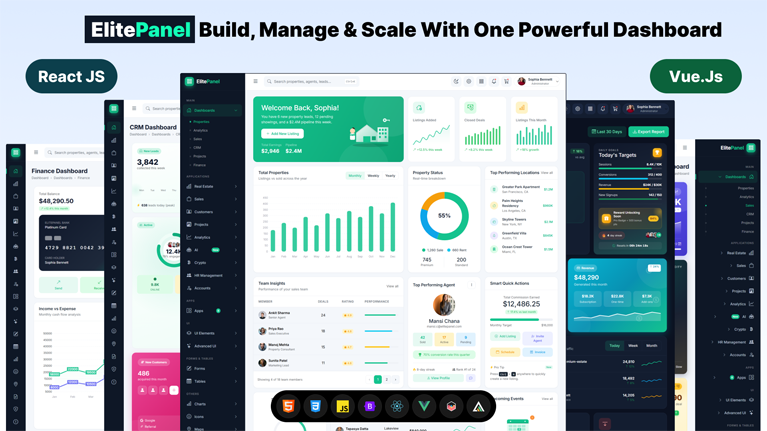
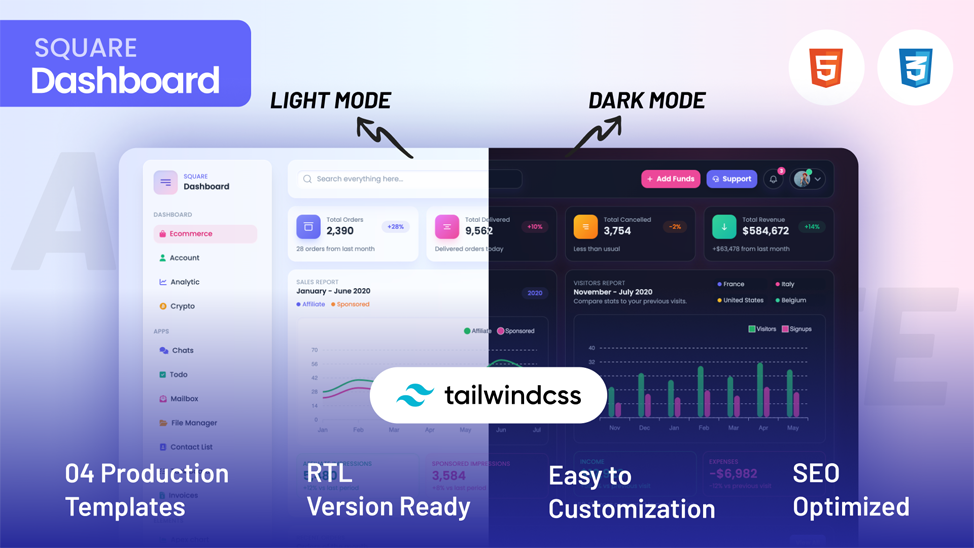
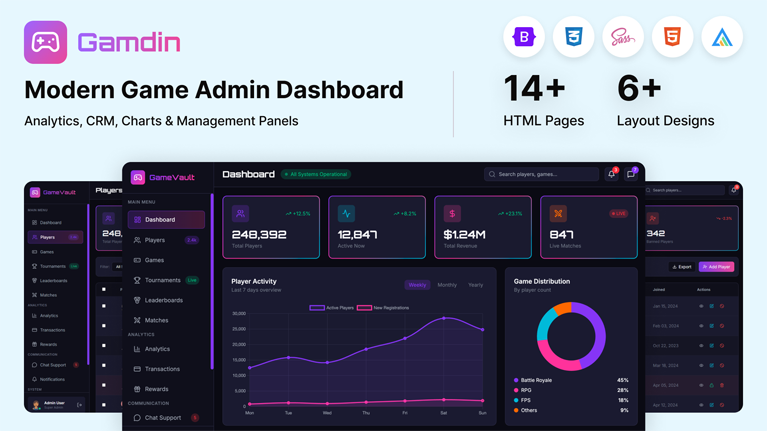
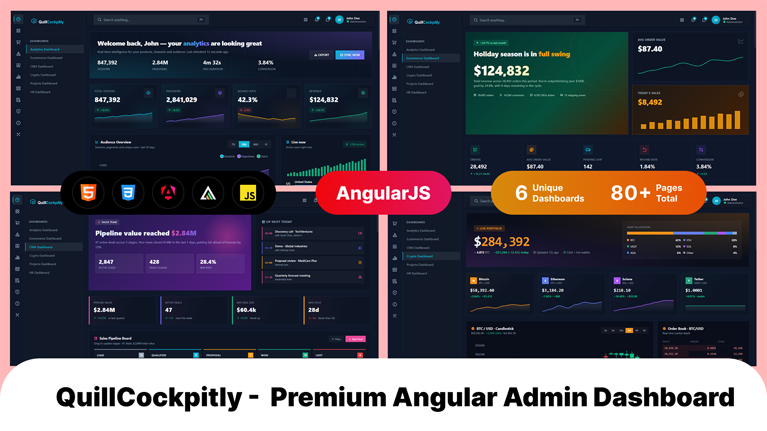
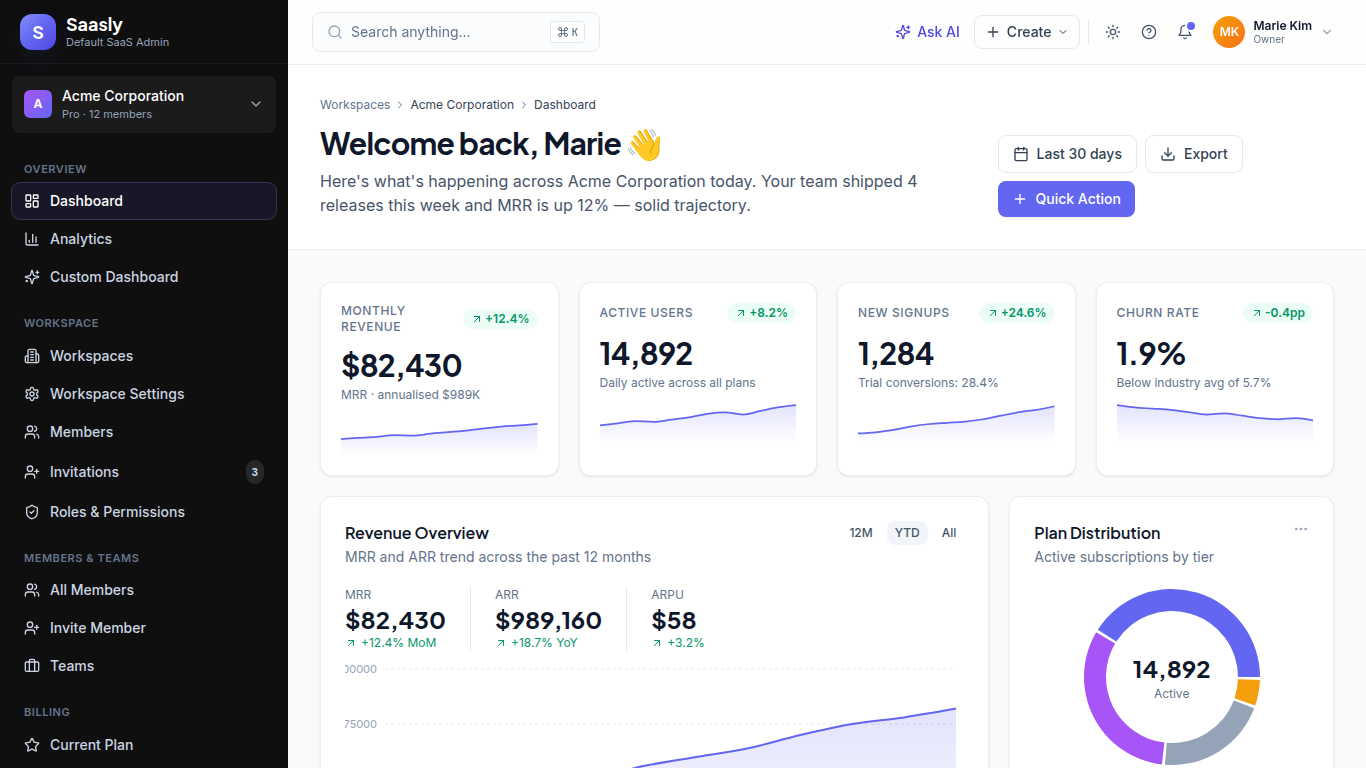
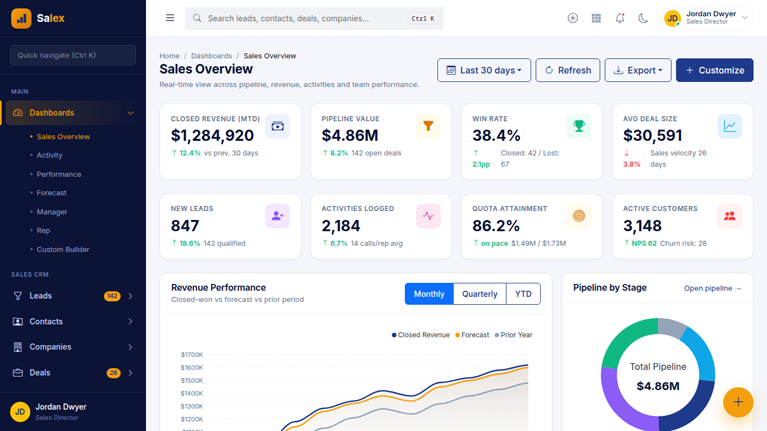
Our Next.js templates deliver a powerful starting point if you want to build dashboards, SaaS platforms, analytics systems, and operational web applications. Each template provides a complete interface environment built on the Next.js framework. This includes immersive dashboards, responsive layouts, navigation systems, and a rich set of UI components.
Our templates combine server-side rendering and static generation to support fast loading and strong search visibility. Our templates are optimized for page routing, modular components, and reusable layouts. This allows the interface to grow naturally as the application expands. Charts, tables, widgets, and dashboard panels present operational data clearly across the screen.
Our templates reflect real application architecture. You get an interface system that supports complex data environments, scalable navigation structures, and professional dashboard layouts. This foundation gives your product the structure and performance modern applications demand.
Why Pick Our Next.js Templates
Our templates bring together the interface components modern applications rely on every day.
- Production-grade dashboards capable of displaying multiple KPIs and analytics views
- Structured navigation systems designed for multi-module web applications
- Interactive charts that visualize metrics, trends, and performance indicators
- Data tables that organize large datasets with clarity and readability
- Modular UI components that keep interface layouts consistent across screens
- Responsive page systems that adapt seamlessly across desktop and mobile devices
- Reusable dashboard widgets designed for analytics and operational reporting
Built for SaaS Platforms and Data-Driven Products
Our Next.js templates provide the interface layer required by modern web products. Dashboards organize operational metrics across multiple panels. Analytics charts present trends and performance indicators. Tables manage large datasets while maintaining readability.
Navigation systems connect application modules in a logical hierarchy. Authentication screens support user access flows and account management interfaces. Page layouts organize different operational sections such as reporting panels, management dashboards, and configuration screens.
The template environment forms the control center of the application. You can see metrics across the widgets and operational data is visible through tables and analytics panels.
Products such as SaaS platforms, analytics tools, CRM systems, and internal company applications benefit greatly from this architecture. Each template already contains the structural patterns required by these systems.
High-Performance Architecture Powered by Next.js
Next.js provides one of the strongest foundations for modern web interfaces. Our templates take full advantage of this architecture.
Server-side rendering improves page delivery speed while ensuring content appears quickly for users and search engines. Static generation supports pages that require strong SEO visibility and rapid loading.
The routing system organizes application modules in a clear structure. Developers can add new interface sections while preserving consistent navigation behavior across the platform.
This performance architecture keeps dashboards responsive even when applications process large amounts of operational data.
Fast loading interfaces strengthen user experience. Strong rendering performance helps maintain smooth navigation across complex dashboards.
Interface Architecture Designed for Real Software Products
Our templates follow interface patterns used inside modern software platforms. Dashboard panels display key metrics across visual widgets. Charts visualize performance indicators and operational trends. Data tables organize records across multiple views.
Navigation layers connect different sections of the application while maintaining clarity. Page layouts maintain consistency across operational modules such as analytics dashboards, reporting tools, and management panels.
The interface works as a unified system. Metrics appear across dashboards. Records organize inside well-defined data views. Configuration panels allow administrators to manage the application environment.
This architecture supports software products that operate continuously with large data flows and multiple operational views.
Built to Handle Data-Heavy Interfaces
Modern web platforms process large volumes of operational data. Dashboards often display multiple metrics across several panels. Reporting systems present analytics trends through charts and tables.
Our Next.js templates support these environments effectively.
Dashboard layouts accommodate multiple widgets and KPI panels across a single view. Charts visualize analytics metrics clearly. Tables organize large datasets through rows and filtering capabilities.
The interface maintains readability even when dashboards contain many data elements. Operators can monitor performance indicators, review system activity, and manage records through a clear visual environment.
Large datasets remain organized and accessible inside the dashboard structure.
Flexible Interface Expansion
Applications evolve constantly. New modules appear. Analytics views expand. Operational dashboards gain additional widgets.
Our Next.js templates support this growth naturally.
Page layouts allow additional operational screens to integrate smoothly into the interface structure. Navigation systems expand to accommodate new application modules. Dashboard panels accept new widgets and reporting views without disrupting layout balance.
The interface continues functioning as the operational command center while the application grows in complexity.
This flexibility allows web products to scale while maintaining a stable and organized interface architecture.
Suitable for Multiple Web Application Environments
Our Next.js templates adapt easily to many application environments.
SaaS platforms manage user activity and platform metrics through dashboard panels. Analytics systems display reporting insights through charts and data tables. CRM platforms organize customer records and interaction histories.
Ecommerce management systems track inventory, transactions, and operational performance. Internal company platforms monitor workflows and system activity.
Each of these environments requires proper dashboards, navigation systems, and operational data views. Our templates already provide those interface elements.
The result is a flexible foundation that supports a wide variety of professional web applications.
A Strong Interface Foundation for Modern Products
Every successful web application depends on a powerful interface layer. Dashboards visualize metrics. Navigation connects operational modules. Data panels present records and analytics.
Our Next.js templates provide that foundation from the beginning.
You get efficient interface system capable of supporting serious software platforms. Dashboards remain clear even with complex data flows. Navigation maintains order across large applications. Layout structures preserve readability across screens and devices.
The template becomes the control interface where the entire application operates.
That foundation allows modern web products to grow with confidence while maintaining performance, clarity, and scalability.
Frequently Asked Questions
Q: What is a Next.js dashboard template?
A: A Next.js dashboard template is a ready-made interface for web applications that display and manage data. It combines server-side rendering, file-based routing, and a full set of pre-built UI components. Teams use Next.js dashboard templates to launch SaaS tools, analytics platforms, CRM systems, and operational admin panels faster.
Q: What is the difference between Next.js and React for admin templates?
A: React is a UI library. Next.js is a full framework built on React that adds server-side rendering, file-based routing, API routes, and static generation. The template gives you all of those capabilities built in. A React-only template requires you to configure routing, SSR, and API handling separately.
Q: Why use the available Next.js theme instead of building from scratch?
A: Building routing, authentication, dashboard layouts, and data tables from scratch takes weeks. This template puts all of that in place on day one. Your team skips the infrastructure phase entirely and works on product-specific features from the start. That time difference is significant on any real project.
Q: What features should a good template include?
A: A production-ready admin theme should include: multiple dashboard layouts with KPI panels, data tables with sorting and filtering, chart integrations, authentication pages, form components with validation, responsive navigation, TypeScript support, and dark mode. The Next.js templates at MyCreativeTemplates include all of these, plus NextAuth, ApexCharts, and Tailwind CSS 3.
Q: Are the templates in this collection fully responsive?
A: Yes. Every template in this collection adapts across desktop, tablet, and mobile. Layouts use Tailwind CSS utilities, so responsive behavior is built into the component structure. You do not need to write breakpoint overrides or test layouts separately for each device size.
Q: Can the Next.js admin themes handle large datasets?
A: Yes. Data table components in these templates support pagination, server-side sorting, filtering, and search. Dashboard layouts display multiple KPI panels and chart widgets in a single view without disrupting the layout. Performance remains consistent as data volume increases because the data-fetching layer is decoupled from the view layer.
Q: What is SSR, and why does it matter in the Next.js template?
A: SSR is server-side rendering. Next.js generates the page HTML on the server before sending it to the browser. This means dashboard pages load fast for users and are indexed correctly by search engines. Every admin theme in this collection uses SSR where needed and static generation for pages that do not change on a per-request basis.
Q: Does the Next.js template work with the App Router?
A: Yes. Every Next.js theme at MyCreativeTemplates is built with the App Router, which is the current routing architecture in Next.js 14. Routes are organized in the app directory. Server and client components are used correctly. The layout is predictable and follows the conventions Next.js teams expect.
Q: How do I set up a Next.js admin dashboard template after purchase?
A: After purchase, you receive immediate download access. Unzip the project, run npm install, add your environment variables, and start the development server with npm run dev. The project includes setup documentation. Most teams have the dashboard running locally within 30 minutes of download.
Stay Updated
Subscribe to our newsletter and get notified about new templates, updates, and exclusive offers.
No spam, unsubscribe anytime.