
React Admin Templates
React Templates for High-Performance Web Applications
4 Templates





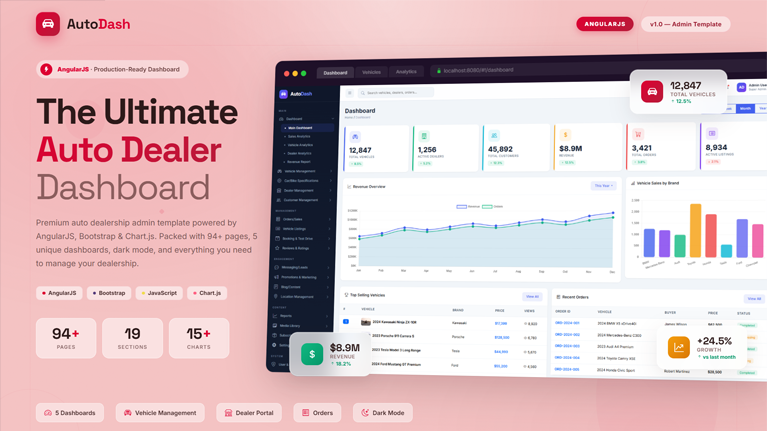
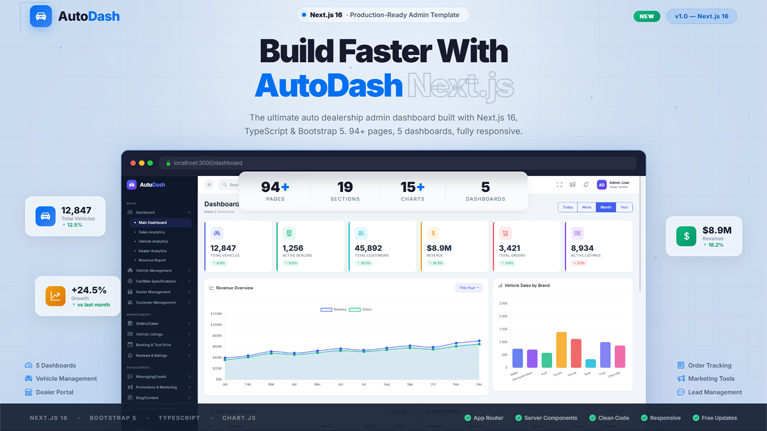
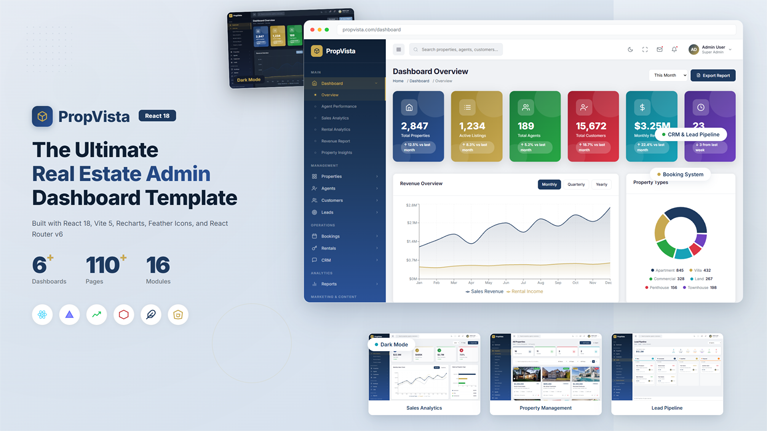
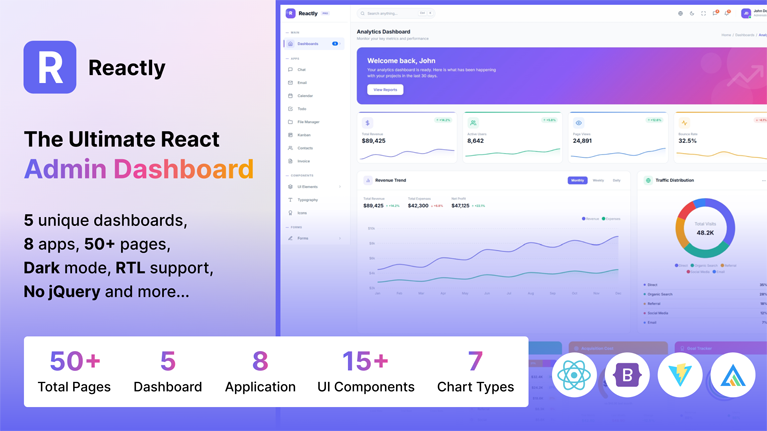
React Templates for High-Performance Web Applications
React powers a lot of modern web interfaces. Large SaaS platforms, analytics tools, and management dashboards rely on its component architecture to keep interfaces organized as applications grow. Our React templates provide that environment from the beginning. The interface already includes structured dashboards, responsive layouts, navigation systems, and reusable UI components designed for complex web applications.
Our templates are loaded with operational metrics, organized tables for large datasets and dashboard panels bring in analytics insights. Every screen follows interface patterns used inside serious software products.
The templates rely on React’s component-driven model, which keeps the interface modular and consistent across pages. This structure supports SaaS platforms, analytics dashboards, CRM systems, and internal operational tools. Our React templates deliver a professional interface foundation capable of supporting modern web products where performance, clarity, and scalability matter.
A React Interface Environment Ready for Serious Applications
Modern web products require more than attractive UI screens. Applications demand dashboards where metrics remain visible, navigation systems that organize multiple modules, and data views that handle large volumes of records.
Our React templates bring these elements together inside a unified interface system.
Dashboards of our templates present operational metrics across multiple visual panels. Analytics charts have trends and performance indicators and data tables display structured records across organized views. Finally, the navigation layers connect application modules in a clear hierarchy.
This interface structure is similar to the control environments used inside modern SaaS platforms and enterprise dashboards. Each section of the interface plays a defined role. Analytics panels visualize metrics and management screens organize records.
The result? You get an interface environment where complex applications remain clear and easy to navigate.
React Component Architecture Keeps the Interface Organized
React introduced a powerful development model built around reusable components. Our templates follow that same architecture across the entire interface.
Every part of the interface exists as a modular component. Dashboard widgets appear across multiple panels. Chart elements integrate into analytics views. Table components display operational records across reporting screens. Navigation components connect every section of the application.
This component architecture keeps the interface consistent as new modules appear. Layout structures maintain visual balance across dashboards and operational panels. The application interface grows while preserving the same design language across screens.
That structure supports complex web applications where many interface elements must work together seamlessly.
Why Developers Prefer Our React Templates?
Our templates combine the interface systems modern React applications rely on every day.
- Dashboard layouts designed for SaaS and analytics environments
- Reusable React components that maintain consistent UI behavior
- Interactive charts for performance metrics and analytics insights
- Advanced table systems that organize large datasets clearly
- Responsive layouts that adapt across desktop, tablet, and mobile devices
- Structured navigation systems suited for multi-module applications
Flexible interface architecture that supports complex operational workflows
Crystal-Clear Data-Heavy Dashboards
Many React applications manage significant volumes of operational data. Dashboards track user activity, analytics systems visualize reporting insights, and management panels display extensive record sets.
Our React templates support these environments with clarity.
Dashboard layouts accommodate multiple KPI panels across a single screen. Charts present analytics trends through clean visual panels. Data tables organize large datasets across structured rows that maintain readability.
Operational views remain organized even when dashboards contain numerous metrics and reporting widgets. Analytics insights appear clearly across chart panels. Administrative records remain accessible through structured table views.
The interface keeps information visible and structured without overwhelming the screen.
Interface Expansion That Matches Application Growth
Software platforms evolve continuously with the introduction of new modules appear and expanded analytics views. At the same time, operational dashboards gain additional panels too.
Our React templates support this evolution naturally.
Page layouts allow additional operational screens to integrate smoothly into the interface structure. Navigation systems expand to accommodate new application modules. Dashboard panels support new widgets and analytics elements while preserving layout balance.
The interface continues serving as the operational command center of the application while the platform grows.
This structure allows applications to expand without sacrificing clarity or organization.
React Templates Across Multiple Software Environments
React supports a wide range of web applications, and our templates adapt easily across these environments.
SaaS platforms organize operational dashboards that monitor user activity and system performance. Analytics platforms present reporting insights through charts and visual panels. CRM systems manage customer records and interaction histories.
Ecommerce management systems track transactions, orders, and inventory through dashboard views. Internal enterprise tools monitor workflows and operational metrics.
Each of these environments relies on structured dashboards, navigation systems, and operational data panels. Our React templates already contain those interface patterns.
A Professional Interface Foundation for React Products
Every successful web application depends on a reliable interface architecture. A dashboard must display metrics and navigation should connect operational modules efficiently. Moreover, data panels should present analytics and system records.
And that’s exactly our React templates come into play. They offer architecture from the start.
You gain a well-designed interface environment capable of supporting complex software platforms. The template becomes the control interface where the entire application operates.
This foundation allows modern React products to grow with confidence while maintaining performance, usability, and professional interface consistency.
Frequently Asked Questions
Common questions about React Admin Templates
Why developers use React templates?
How much development time can these templates realistically save?
What makes these React templates stand out compared with other templates online?
Will the interface still hold up when the application becomes large and complex?
Do these templates handle data-heavy dashboards properly?
How serious is the engineering architecture behind these templates?
Are these templates suitable for serious SaaS platforms and enterprise tools?
Stay Updated
Subscribe to our newsletter and get notified about new templates, updates, and exclusive offers.
No spam, unsubscribe anytime.