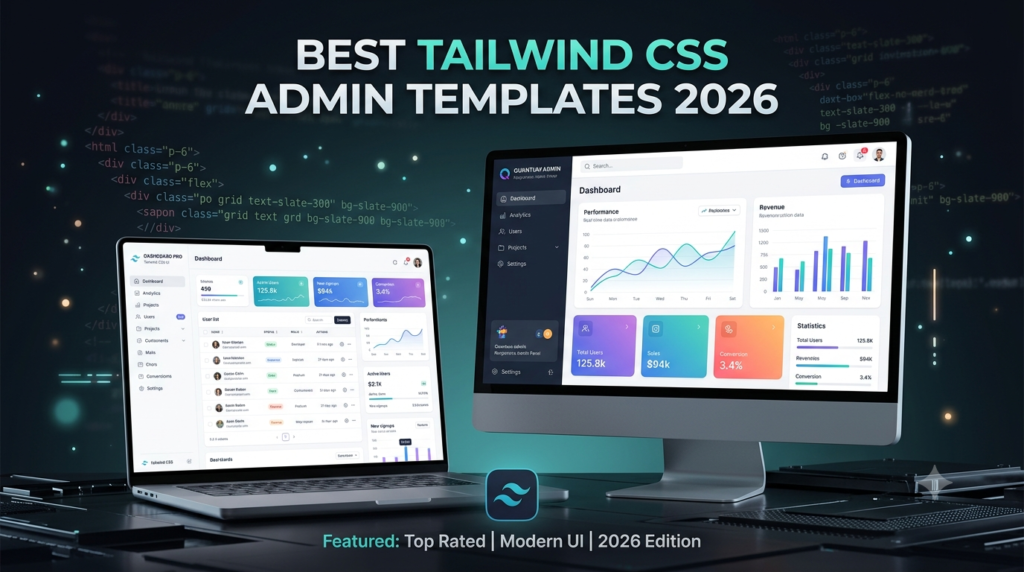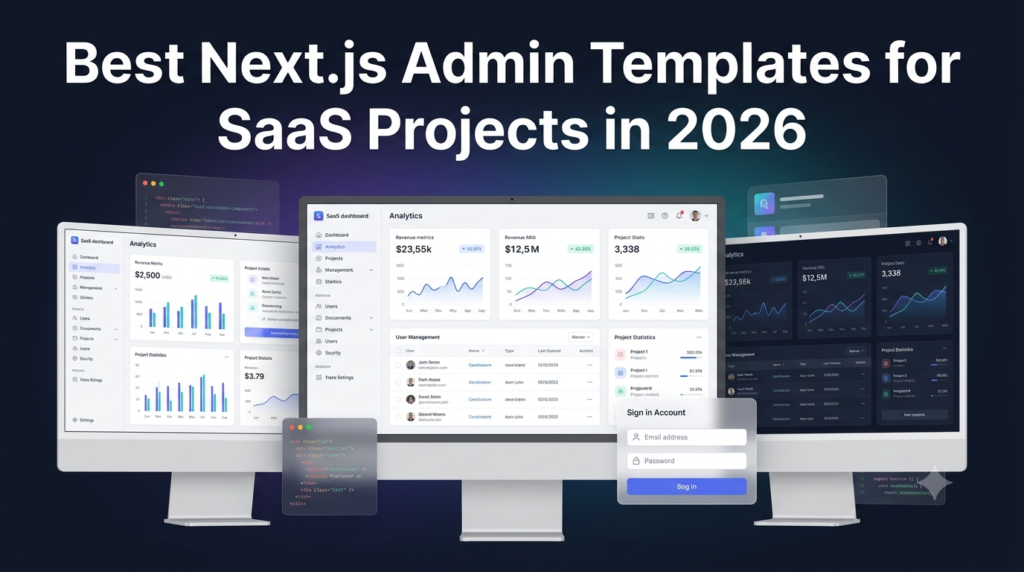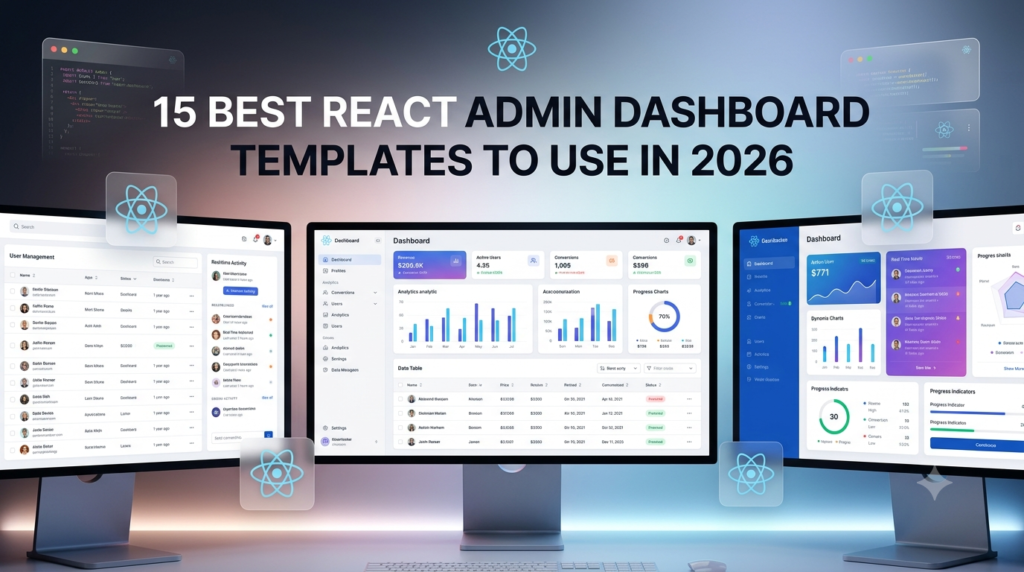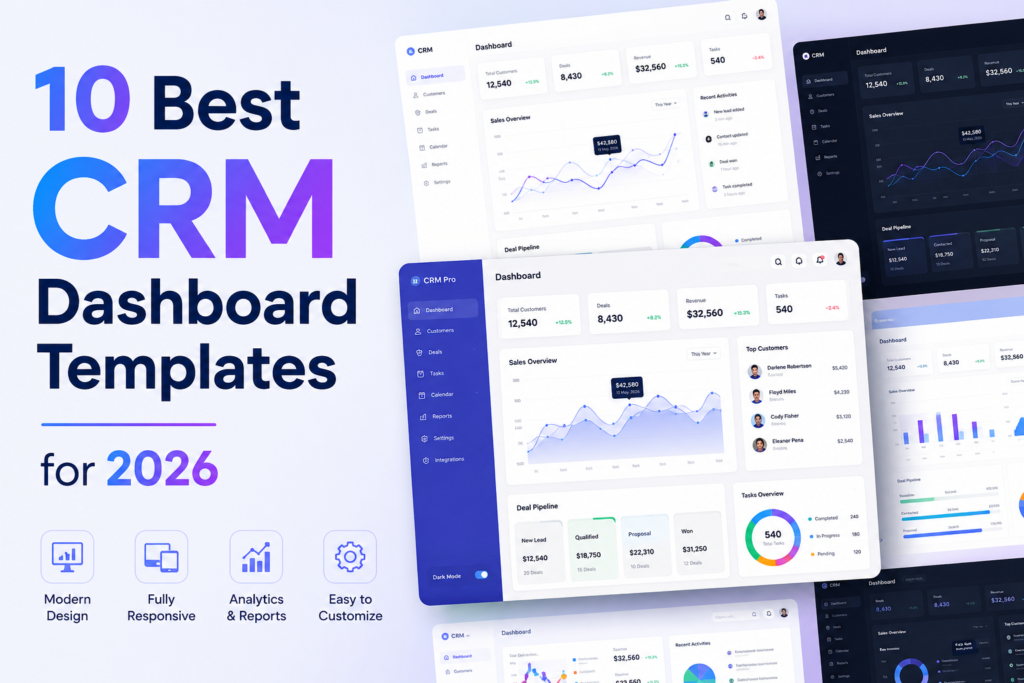




Tailwind CSS admin templates give developers a faster way to build dashboards, SaaS apps, and internal tools without creating the entire UI layer from scratch. Most templates already include sidebar navigation, analytics pages, auth screens, tables, charts, forms, and dark mode support.
The right template changes more than design. It affects setup time, framework compatibility, component consistency, and how quickly a team can move from scaffolding into actual product development.
Some templates are lightweight dashboard starters with basic layouts and reusable UI blocks. Others come with full SaaS admin systems, complete with CRUD pages, analytics dashboards, role management, and authentication flows.
Quick Comparison
| Template | Frameworks | TypeScript | Dark Mode | Pricing | Best For |
| TailPanel | React, Vite | Yes | Yes | Paid | React SaaS dashboards |
| Apex Dashboard | Next.js, Angular, Django | Yes | Yes | Paid | Multi-framework teams |
| Mosaic Pro | Next.js | Partial | Yes | Paid | Analytics dashboards |
| TailAdmin | React, Vue, Angular, Laravel | Partial | Yes | Free + Pro | Multi-stack projects |
| Modernize Free Tailwind | React, Next.js | Yes | Yes | Free + Pro | React admin panels |
| Shadcn UI Dashboard | React, Next.js | Yes | Yes | Free | Fully customizable dashboards |
How We Evaluated These Tailwind CSS Templates?
Not every Tailwind admin template solves the same problem. Some focus on rapid dashboard setup. Others prioritize design systems, accessibility, or framework flexibility.
Templates that only looked good visually but lacked reusable dashboard structures ranked lower than templates with stronger developer workflows. We compared templates using these criteria:
| Criteria | What We Checked |
| Framework support | React, Next.js, Angular, Vue, Laravel, HTML |
| Component depth | Tables, charts, auth pages, forms, modals |
| TypeScript coverage | Typed components and reusable structures |
| Dashboard quality | Analytics layouts, admin workflows, navigation |
| Customization | Theming, layout flexibility, dark mode |
| Maintenance | Active updates and Tailwind compatibility |
What Is a Tailwind CSS Admin Template?
A Tailwind CSS admin template is a pre-built dashboard UI built with Tailwind CSS utility classes. Most templates include:
- Sidebar navigation
- Dashboard analytics pages
- Data tables
- Forms and inputs
- Authentication pages
- User profile layouts
- Chart integrations
- Notification systems
- Dark mode support
That distinction matters early.
An HTML dashboard template may work for simple projects, but React or Next.js templates usually include reusable components, routing systems, hooks, and state-ready layouts that fit modern frontend workflows more naturally.
Teams building SaaS products usually prefer framework-specific templates because they reduce setup work during the first stage of development.
Why Developers Use Tailwind CSS for Dashboards?
Tailwind CSS became popular because it simplifies UI development without forcing teams into a rigid component system. Instead of maintaining large CSS files, developers build layouts directly inside components using utility classes.
That approach works especially well for dashboards because admin panels usually contain:
- Tables
- Charts
- Forms
- Filters
- Navigation systems
- Modals
- Multi-column layouts
- Analytics cards
Traditional CSS systems often become difficult to maintain once dashboards grow larger. Tailwind keeps spacing, layout, typography, and responsiveness more consistent across the application. Most Tailwind admin templates also include:
- Responsive mobile layouts
- Dark mode support
- Dashboard analytics pages
- Reusable component systems
- Authentication flows
- Chart integrations
- Pre-built form layouts
Many teams combine Tailwind CSS with libraries like:
- shadcn/ui
- Flowbite
- Headless UI
- Radix UI
That combination gives developers reusable dashboard components without building an entire design system manually. Most teams use admin templates to skip the initial dashboard scaffolding phase and move directly into API integration and business logic.
Common Features in Modern Tailwind Admin Templates
Most Tailwind CSS admin templates now include far more than basic dashboard layouts. Modern dashboard starters usually work with reusable application structures designed for SaaS products, analytics platforms, and internal business tools.
Common features include:
- Sidebar navigation systems
- Analytics cards
- Table and data grid layouts
- Authentication pages
- User profile management
- Notification systems
- Responsive mobile layouts
- Dark mode support
- Form validation components
- Chart integrations
- Many premium templates also include:
- Multi-role dashboards
- Team management pages
- Kanban boards
- Calendar integrations
- CRM layouts
- E-commerce admin pages
- File upload systems
The component depth matters more than the total page count. A template with reusable dashboard primitives usually scales better than one with many static layouts but limited component flexibility. Developers building production dashboards often prioritize:
- reusable tables
- clean form systems
- scalable navigation
- consistent spacing
- chart integrations
- responsive dashboard grids
Those systems reduce frontend cleanup work later as products grow.
Best Premium Tailwind CSS Admin Templates
Premium templates usually provide:
- Better component systems
- More dashboard pages
- Stronger TypeScript support
- Better documentation
- Faster setup workflows
- Long-term updates
For production SaaS applications, premium templates often reduce weeks of frontend setup work.
1. TailPanel
Stack: React, TypeScript, Vite, Tailwind CSS
Price: Paid
TailPanel is a React dashboard template built for teams already working with TypeScript and Vite.
The template has more than 14 pre-built dashboard pages covering analytics, user management, charts, tables, forms, and reporting views. Instead of focusing heavily on visual styling, the template prioritizes reusable dashboard structures developers can extend quickly.
Built on Vite, the local development environment stays lightweight even as dashboard complexity grows.
Key features include:
- Full TypeScript support
- Reusable React components
- Vite development setup
- Dark mode support
- Sidebar navigation
- Analytics dashboards
- Form layouts
- Responsive dashboard views
TailPanel works particularly well for:
- SaaS products
- Internal dashboards
- CRM systems
- Analytics platforms
- Admin control panels
Teams already using React and TypeScript can integrate it into an API layer with relatively little cleanup work.
2. Apex Dashboard
Stack: Next.js, Angular, Django, TypeScript, Tailwind CSS
Price: Paid
Apex Dashboard targets teams working across multiple frameworks.
The template has separate editions for Next.js, Angular, and Django while maintaining a similar dashboard structure across all versions. That consistency matters for agencies or companies supporting multiple products internally.
The dashboard system includes:
- Authentication pages
- CRUD layouts
- Tables and forms
- Analytics pages
- Responsive navigation
- Dark mode support
- shadcn/ui components
The Next.js version fits modern SaaS products especially well because it already includes many of the layouts teams usually build manually during the first development cycle. Unlike simpler HTML dashboard kits, Apex focuses more on reusable application structures than static page designs.
3. Mosaic Pro
Stack: Next.js, Tailwind CSS
Price: Paid
Mosaic Pro focuses heavily on analytics dashboards and reporting interfaces. Instead of making large numbers of generic admin pages, the template prioritizes:
- KPI dashboards
- Reporting layouts
- Financial analytics views
- Data-heavy interfaces
- Responsive dashboard grids
The component structure works best for:
- Finance platforms
- Reporting tools
- SaaS analytics products
- Internal reporting dashboards
Teams building data-heavy applications usually care more about dashboard density and chart layouts than landing-page style design systems. Mosaic Pro leans strongly into that use case.
Key features include:
- Analytics dashboard layouts
- Reporting interfaces
- Responsive grid systems
- Next.js support
- Data visualization sections
- Dashboard widgets
The layout structure also feels more enterprise-focused than many general-purpose Tailwind admin templates.
Best Free Tailwind CSS Admin Templates
Free Tailwind admin templates work well for:
- MVPs
- Startup prototypes
- Internal tools
- Smaller client projects
- Early-stage SaaS apps
Most free templates cover the core dashboard structure developers need before moving into custom feature development.
- TailAdmin
Stack: HTML, React, Next.js, Vue, Angular, Laravel
Price: Free and Pro
TailAdmin is one of the most widely used free Tailwind CSS admin templates currently available. The biggest advantage is framework coverage. The free version supports:
- React
- Next.js
- Vue
- Angular
- Laravel
- HTML
That flexibility makes it useful for agencies and teams working across multiple stacks. The template includes:
- CRM dashboards
- E-commerce layouts
- Auth pages
- Dark mode
- Responsive navigation
- Tables and chart components
- Form layouts
The project also receives regular GitHub updates, which matters because many free dashboard templates eventually fall behind newer Tailwind CSS releases.
TailAdmin works especially well for teams that need a stable free starting point without building dashboard structures manually.
- Modernize Free Tailwind
Stack: React, Next.js, Tailwind CSS
Price: Free and Pro
Modernize Free Tailwind uses a React-first dashboard structure with reusable layouts and organized component files. The free version covers most standard admin panel requirements while keeping the project structure relatively clean and lightweight. Key features include:
- React dashboard pages
- Next.js support
- Responsive layouts
- Reusable UI components
- Hooks-based structure
- Organized folder systems
The dashboard architecture feels more modern than older admin templates that still rely heavily on static layouts and oversized page structures. The Pro version expands the dashboard system with:
- More pages
- Advanced UI components
- Additional integrations
- Expanded chart support
Modernize works well for developers who want a React dashboard starter that already follows modern component organization patterns.
- Shadcn UI Dashboard
Stack: React, Next.js, shadcn/ui, Tailwind CSS
Price: Free
Shadcn UI Dashboard gives developers a flexible dashboard starter built around shadcn/ui components and Tailwind CSS. Unlike heavily styled admin templates, this setup gives teams more control over branding and design systems.
The dashboard includes:
- Accessible UI components
- React support
- Next.js support
- Tailwind CSS styling
- Tables and forms
- Reusable dashboard layouts
- UI primitives
Teams already using shadcn/ui usually prefer this approach because:
- components remain fully customizable
- styling stays flexible
- there is less vendor lock-in
- the dashboard structure scales cleanly
The tradeoff is setup complexity. Shadcn-based dashboards usually require more assembly work than fully designed admin templates like TailAdmin or Apex Dashboard. Still, for React and Next.js teams that want long-term flexibility, this is one of the strongest free options available.
Best Tailwind Dashboard Templates for SaaS Products
SaaS dashboards usually require more than basic admin pages. Most products eventually need:
- User management
- Billing pages
- Role-based access
- Analytics dashboards
- CRUD workflows
- Notification systems
- Settings pages
- Team management
That makes dashboard structure more important than visual design alone. For SaaS products:
- TailPanel works well for React dashboards
- Apex Dashboard fits multi-framework products
- Shadcn UI Dashboard gives the most flexibility
- Mosaic Pro works best for analytics-heavy products
Teams building internal reporting tools or analytics systems usually benefit from templates with stronger chart layouts and table systems instead of generic landing-page-focused components.
Framework Compatibility Matters More Than Design
Many developers choose templates based only on screenshots. That usually creates problems later. Framework compatibility should always come first.
- React and Next.js
React and Next.js currently have the strongest Tailwind template ecosystem. Most modern dashboard templates support:
- TypeScript
- Component reuse
- App Router structures
- Responsive layouts
- Modern state management
- Angular
Angular dashboard templates usually focus more on enterprise-style admin systems with structured routing and larger application layouts. Teams already using Angular should avoid converting HTML dashboard kits manually because component migration often becomes time-consuming later.
- Vue
Vue support is smaller than React support but still strong enough for production dashboards. Templates with official Vue support usually integrate more cleanly with existing Vue ecosystems than converted HTML dashboards.
- HTML Templates
HTML-only templates still work well for:
- Laravel projects
- Simpler admin systems
- Server-rendered apps
- Multi-page dashboards
They also give teams more framework flexibility if the frontend stack may change later.
Tailwind CSS vs Bootstrap for Admin Dashboards
Bootstrap dashboard templates still exist, but Tailwind CSS has become the preferred choice for many frontend teams building modern SaaS products. That speeds up early development but can make larger design customizations harder later. Tailwind CSS takes the opposite approach.
Instead of predefined component styling, it gives developers utility classes they can combine directly inside layouts and components. That works especially well for dashboards because admin interfaces usually grow over time.
Teams often need to:
- add custom analytics views
- rebuild navigation systems
- support white-label branding
- expand settings pages
- integrate custom chart systems
Tailwind CSS handles those changes more cleanly because the styling system stays closer to the component structure. Many React and Next.js teams also prefer Tailwind because it fits naturally with:
- component-driven development
- design systems
- reusable UI libraries
- TypeScript workflows
Bootstrap still works well for internal tools, legacy admin systems, rapid prototypes and smaller business dashboards. But most newer dashboard ecosystems now prioritize Tailwind-first component systems.
Free vs Premium Tailwind Admin Templates
Free templates work well when:
- budgets are limited
- projects are internal
- teams can customize layouts themselves
- dashboard complexity is smaller
Premium templates make more sense when:
- time-to-market matters
- teams need polished dashboard systems
- frontend resources are limited
- long-term maintenance matters
- TypeScript support is required
The biggest difference is:
- component depth
- documentation
- dashboard workflows
- update consistency
- reusable structures
What to Check Before Choosing a Tailwind Admin Template?
Before selecting a dashboard template, review the actual development requirements instead of only comparing visual layouts.
- Framework Support
Choose templates built specifically for your framework. Converting HTML dashboards into React or Angular projects usually creates unnecessary cleanup work later.
- TypeScript Coverage
Some templates advertise TypeScript support while only partially typing components. Check hooks, forms, reusable components, dashboard pages and table systems before building on top of the template.
- Component Depth
The number of reusable dashboard components matters more than page count. Templates with tables, charts, filters, auth pages, forms, settings layouts and reusable card usually reduce more development work long term.
- Dark Mode
Most modern dashboards support dark mode by default. Check whether the template uses class-based theming or media-query theming because implementation differences affect future customization.
- Chart Libraries
Many dashboard templates use ApexCharts, Chart.js and Recharts. Matching the chart library your team already uses usually simplifies future dashboard development.
How to Choose the Right Tailwind CSS Admin Template?
Templates that receive regular updates are safer long term because Tailwind CSS versions change frequently. The easiest way to narrow down options is to filter templates in this order:
- Choose the framework first
- Check TypeScript support
- Review reusable dashboard components
- Compare free vs Pro limitations
- Check maintenance and update frequency
Are Tailwind CSS Admin Templates Worth It?
For most teams, yes. Building a dashboard UI entirely from scratch usually takes longer than expected. Even simple admin systems require:
- navigation layouts
- auth pages
- tables
- forms
- filters
- responsive states
- dark mode
- dashboard cards
- chart layouts
Templates remove much of that setup work. The biggest advantage is not visual design alone. It is development speed and structural consistency. Instead of spending weeks building reusable dashboard foundations, teams can focus on:
- APIs
- business logic
- authentication
- product workflows
- analytics systems
Premium templates usually make the biggest difference for:
- SaaS startups
- agencies
- internal business platforms
- analytics dashboards
- admin-heavy applications
Free templates still work well for MVPs and smaller projects, especially when teams already have frontend development experience. The right Tailwind dashboard template should reduce setup work without locking the project into rigid design limitations later.
Find the Right Tailwind CSS Admin Template
The best Tailwind CSS admin template depends on your framework, dashboard complexity, and customization requirements. Some teams need lightweight dashboard starters for internal tools. Others need complete SaaS admin systems with analytics layouts, auth flows, reusable components, and scalable dashboard structures.
Browse Tailwind CSS admin templates on MyCreativeTemplates to compare free and premium dashboard starters for your next project.
FAQs
What is a Tailwind CSS admin template?
A Tailwind CSS admin template is a pre-built dashboard UI kit built with Tailwind CSS. Most include navigation systems, charts, forms, auth pages, tables, and reusable dashboard components.
Are Tailwind admin templates better than Bootstrap templates?
That depends on the project. Tailwind gives developers more styling flexibility, while Bootstrap provides more pre-styled UI components by default.
Can Tailwind CSS admin templates be customized easily?
Yes. Most Tailwind dashboard templates are designed for customization through utility classes, reusable layouts, and configurable components.
Are there free Tailwind admin templates available in 2026?
Yes. TailAdmin, Modernize Free Tailwind, and Shadcn UI Dashboard all provide free versions in 2026.
Which frameworks work best with Tailwind admin templates?
React and Next.js currently have the largest Tailwind dashboard ecosystem, though many templates also support Angular, Vue, Laravel, and HTML layouts.
Do Tailwind dashboard templates support dark mode?
Most modern Tailwind admin templates include built-in dark mode support using either class-based or media-query theming.
Are Tailwind admin templates good for SaaS dashboards?
Yes. Many Tailwind dashboard templates are designed specifically for SaaS products and include analytics pages, auth flows, CRUD layouts, and settings pages